Award recognizes Nomagic’s Physical AI solution for automating one of the most difficult workflows in e-commerce warehouses: picking delicate, two-piece shoeboxes at scale
Warsaw, Poland and Atlanta, USA – June 26, 2026 – Sin magia, a leading robotics company applying advanced Physical AI to warehouse automation, today announced that its Recolector de cajas de zapatos. has won a 2026 IFOY Award in the Robot Warehouse System category, one of the intralogistics industry’s most respected honors.
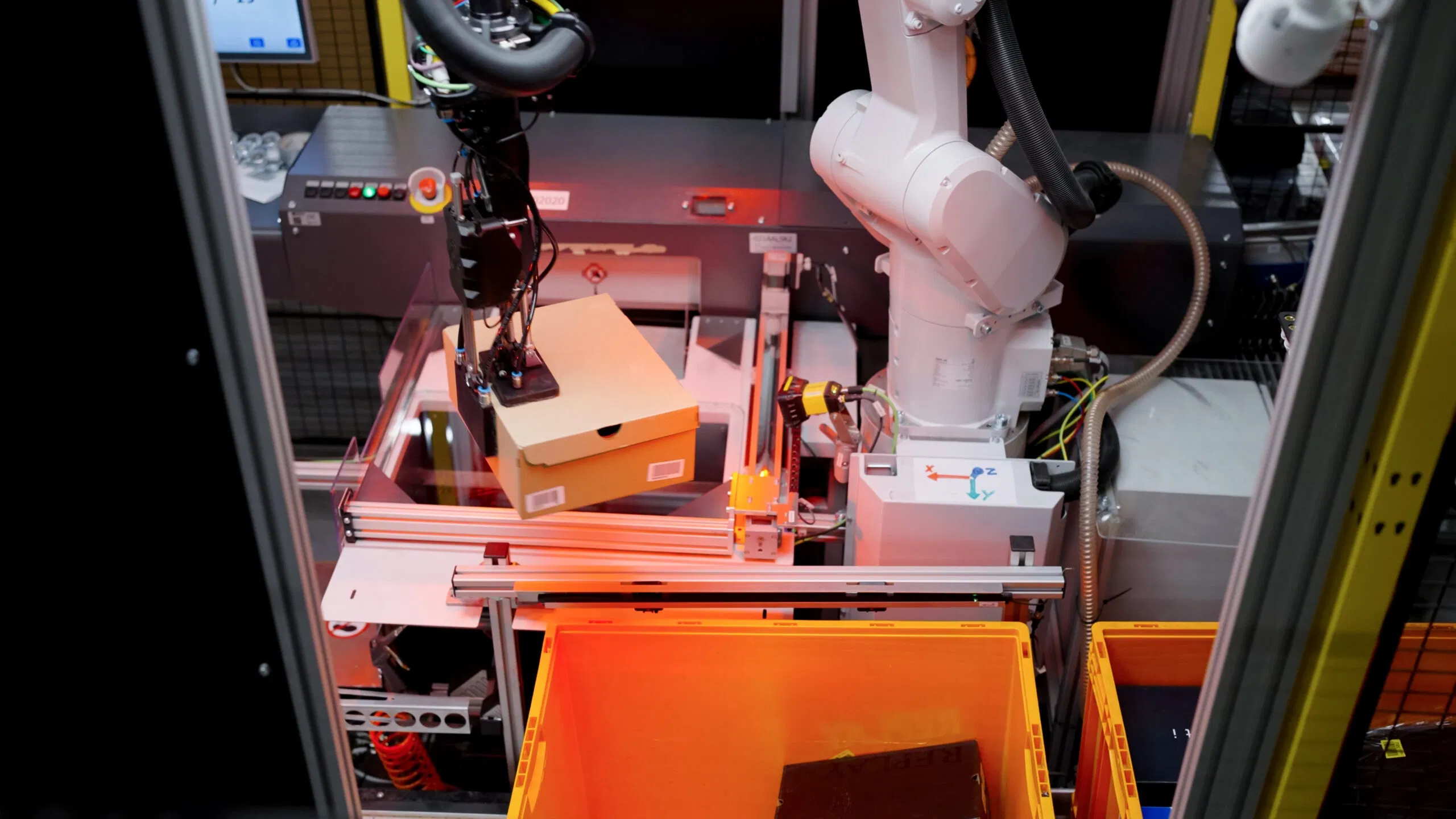
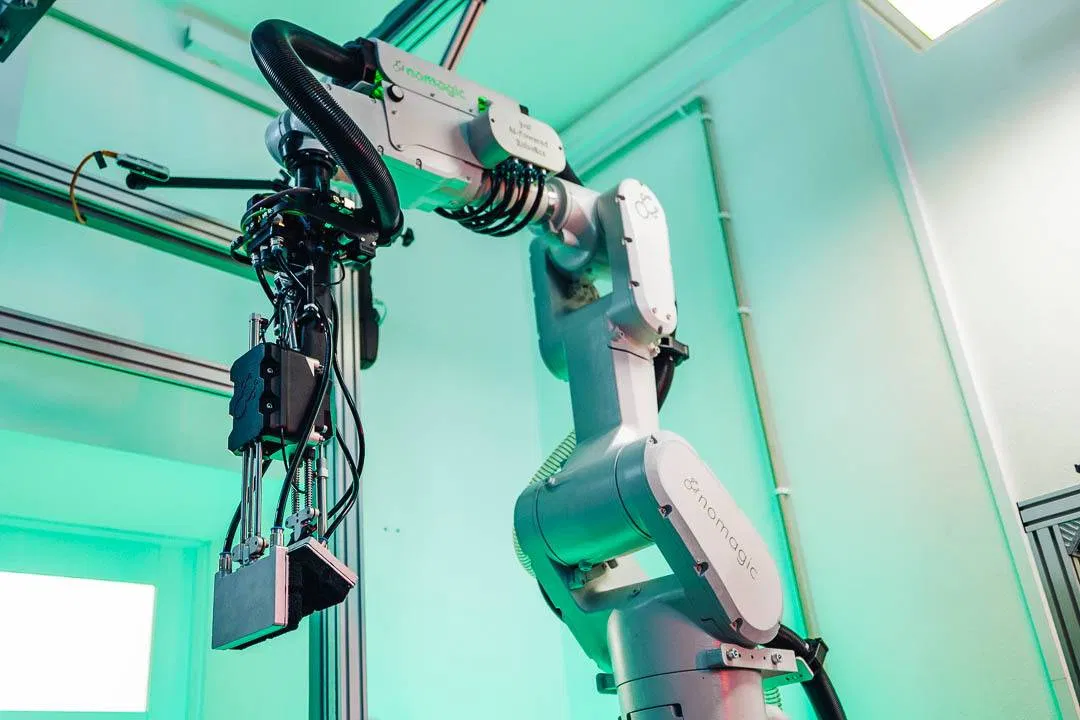
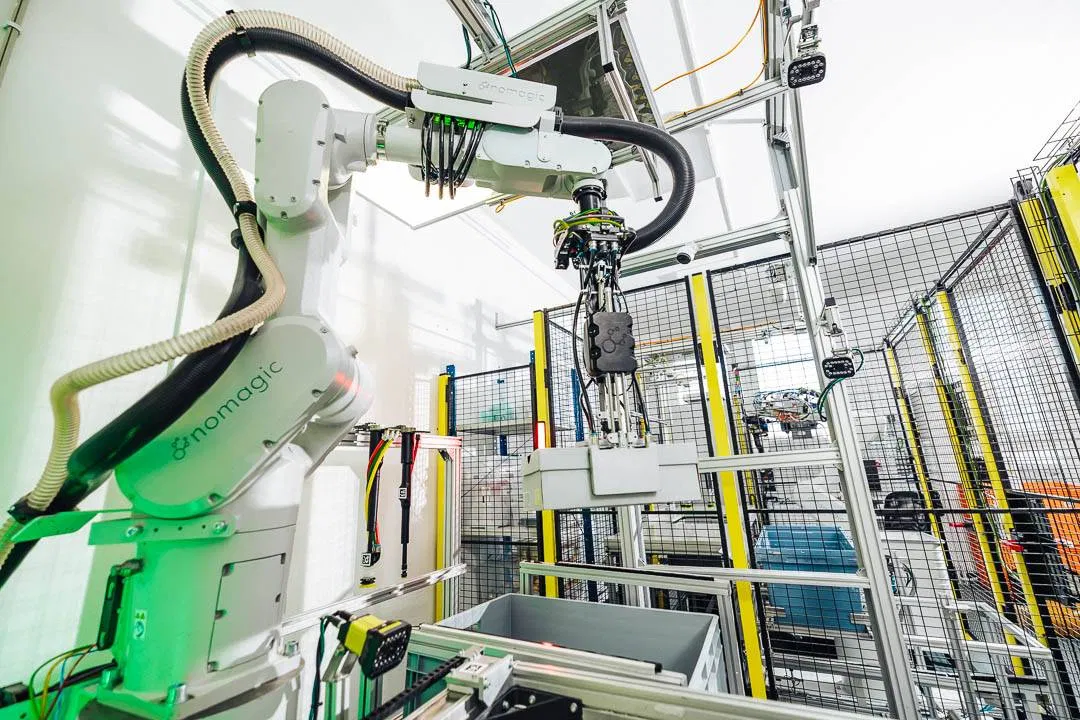
The award recognizes Nomagic’s breakthrough in automating one of the most stubborn challenges in warehouse operations: the handling of two-piece shoeboxes in high-volume fashion and footwear fulfillment environments. Unlike most standard cartons, shoeboxes are fragile, variable in size and orientation, and often unsealed — making them notoriously difficult for conventional warehouse robots to pick reliably. Nomagic’s Shoebox Picker combines AI-driven perception with specialized gripping hardware to automate that workflow at commercial scale.
“Winning an IFOY Award is an important validation of what we’ve believed for a long time: the next major leap in warehouse automation will come from Physical AI solutions that can solve the messy, highly variable tasks that legacy automation still struggles with,” said Kacper Nowicki, CEO and co-founder of Nomagic. “Shoeboxes are a perfect example of that challenge. They represent a meaningful share of fashion e-commerce volume, but because they’re delicate, inconsistent and often unsealed, they’ve historically required manual handling. Shoebox Picker changes that, and this award is a strong endorsement of the progress our team has made.”
Shoeboxes account for a significant portion of order volume in fashion and footwear logistics, yet they have remained one of the last major manual bottlenecks in warehouse automation. Nomagic developed the Shoebox Picker to address that gap directly. The solutionis designed to pick, pack and sort shoeboxes in live warehouse environments, including mixed-bin scenarios, without requiring items to be pre-oriented. The Shoebox Picker can automate up to 98% of shoebox SKUs and is already deployed in a live customer environment.
The win builds on a period of strong momentum for Nomagic as the company expands its commercial footprint and deepens its investment in Physical AI for logistics. Earlier this year, Nomagic announced a $10 million Series B extension, bringing total funding to more than $84 million, with plans to accelerate commercial operations in the U.S. and continue developing its Visual-Language-Action models for warehouse robotics.
The IFOY Awards, short for International Intralogistics and Forklift Truck of the Year, are widely regarded as one of the logistics sector’s most rigorous and credible awards programs. Winners are selected following a multi-stage evaluation process involving testing, scientific review and assessment by an independent international jury. In fashion e-commerce, shoeboxes constitute approximately 20% of all items – for footwear fulfillment centers, this percentage is significantly higher. Yet the two-piece shoebox has long been considered one of the most complex unpickable items and incompatible with traditional vacuum or mechanical grippers.
Acerca de Nomagic
Nomagic es una empresa líder en robótica de almacenes que aplica una innovadora IA física de propósito general para optimizar las operaciones de almacén. Los robots desplegados por la empresa aprenden de un enorme conjunto de datos operativos reales, recopilados a lo largo de millones de tareas en entornos 24/7, que entrenan una plataforma de IA física adaptable capaz de gestionar diversas tareas de almacén. Los modelos VLA (visual language action) de próxima generación de Nomagic se integran automáticamente en la flota de robots con IA, acelerando la autonomía, mejorando la eficiencia y estableciendo el estándar de la industria en cuanto al tiempo de despliegue más rápido. Para obtener más información, visite nomagic.ai.
Consultas de los medios de comunicación:
press@nomagic.ai
(Image credit: Karl-Josef Hildenbrand)