By Filip Grządkowski, VP Engineering
In the race to automate the physical world, not all intelligence is created equal.
For years, robotics has been driven by breakthroughs in AI labs: models trained on simulations, synthetic data and controlled environments. These advances are impressive, but they share a critical limitation: they are built far from where they must perform.
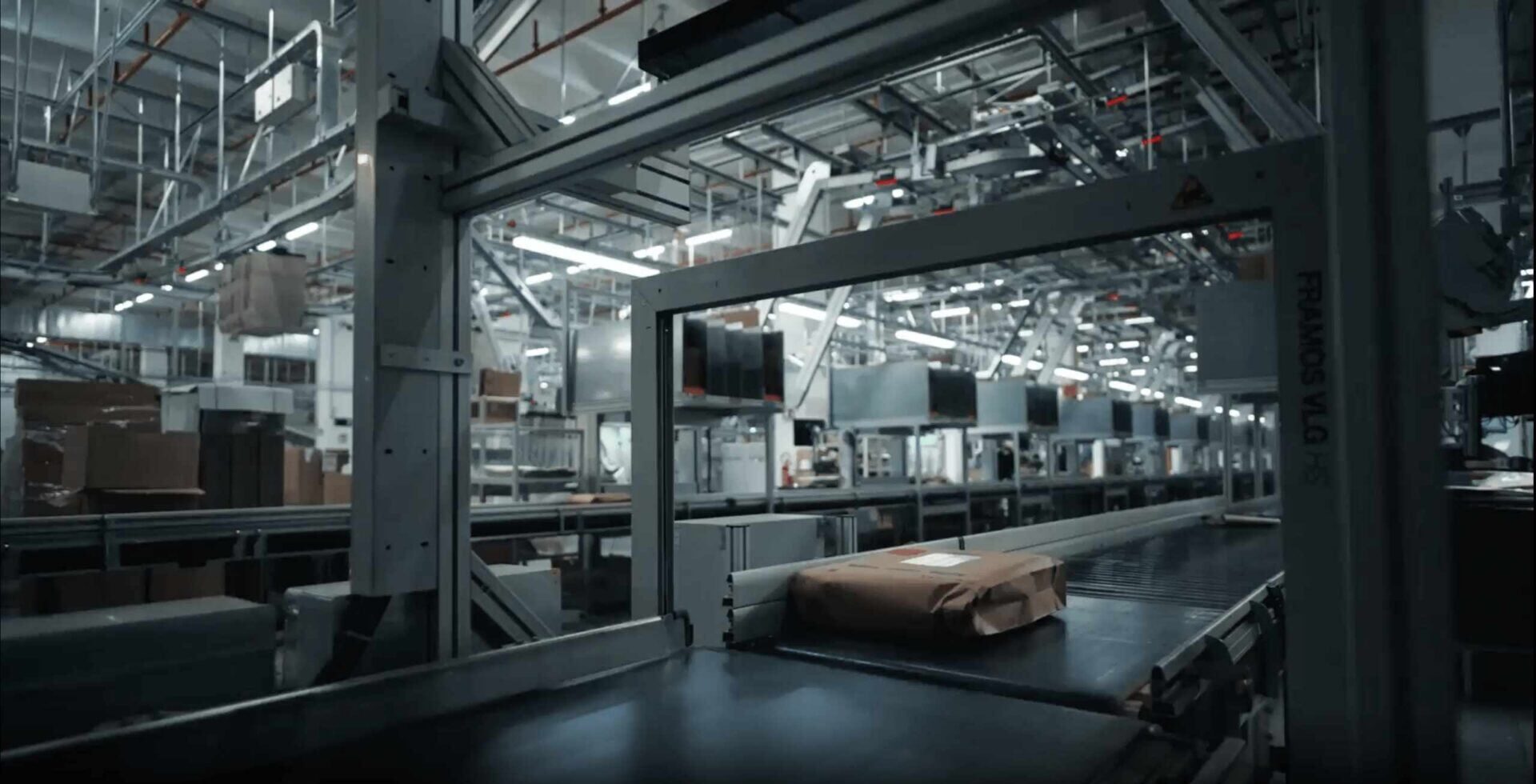
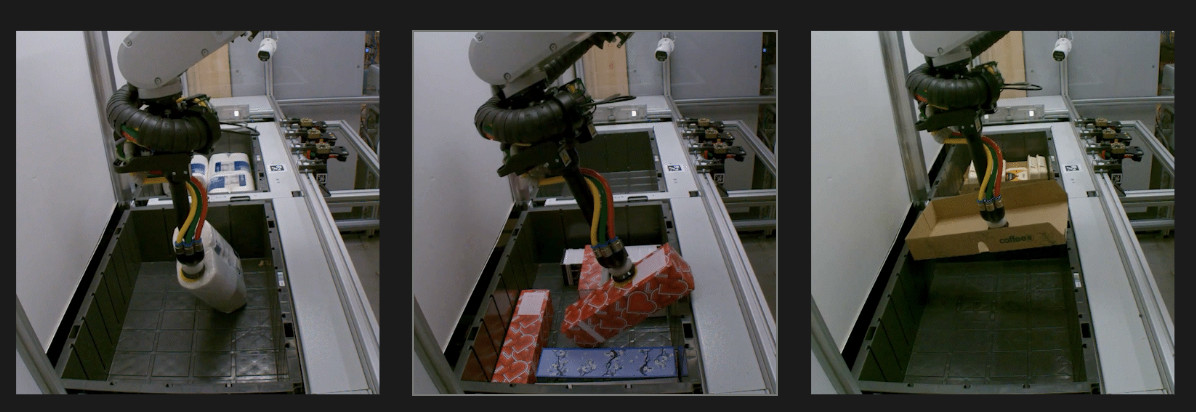
Warehouses are not controlled systems. They are dynamic, unpredictable and full of edge cases – items shift, packaging deforms, boxes stick, barcodes disappear.
This gap between lab intelligence and real-world performance is what has held back automation at scale. It’s the Physical AI reliability gap, and closing it requires production experience.
Real-World Data Is the Advantage
Every action a robot takes in a live warehouse generates rich, multidimensional data. Nomagic robot interactions capture more than tens of such dimensions – from object geometry and motion paths to execution outcomes and failure modes.
Over time, this creates something far more valuable than synthetic datasets: a continuously evolving record of reality. This is the foundation of Nomagic’s “Library of Chaos” – millions of real-world edge cases gathered from production environments. Hidden barcodes, shifting items, and damaged packaging.
These are the moments where automation typically fails. But they are also where learning happens. And increasingly, they are what define the next generation of AI.
A Foundational Opportunity
Nomagic is using this dataset to build a Robotics Foundation Model (RFM), which is a new class of AI designed to generalize across physical tasks. Unlike traditional robotics systems built for narrow use cases, RFMs are trained on large-scale, real-world interaction data. The goal is not just capability, but adaptability – systems that can handle variability, recover from failure and improve over time.
In warehouse automation, success isn’t defined by average performance. It’s defined by how systems handle the unexpected. That’s where real-world data becomes a true competitive advantage.
Specialized Autonomy vs. General-Purpose Robots
The fulfillment industry is increasingly focused on general-purpose robots; systems designed to do many things across many environments. It’s a compelling vision. But in warehouse operations, it runs into a fundamental constraint: efficiency requires specialization.
Nomagic’s approach is built on Specialized Autonomy – AI systems designed for specific, high-value tasks and optimized for speed, precision and reliability.
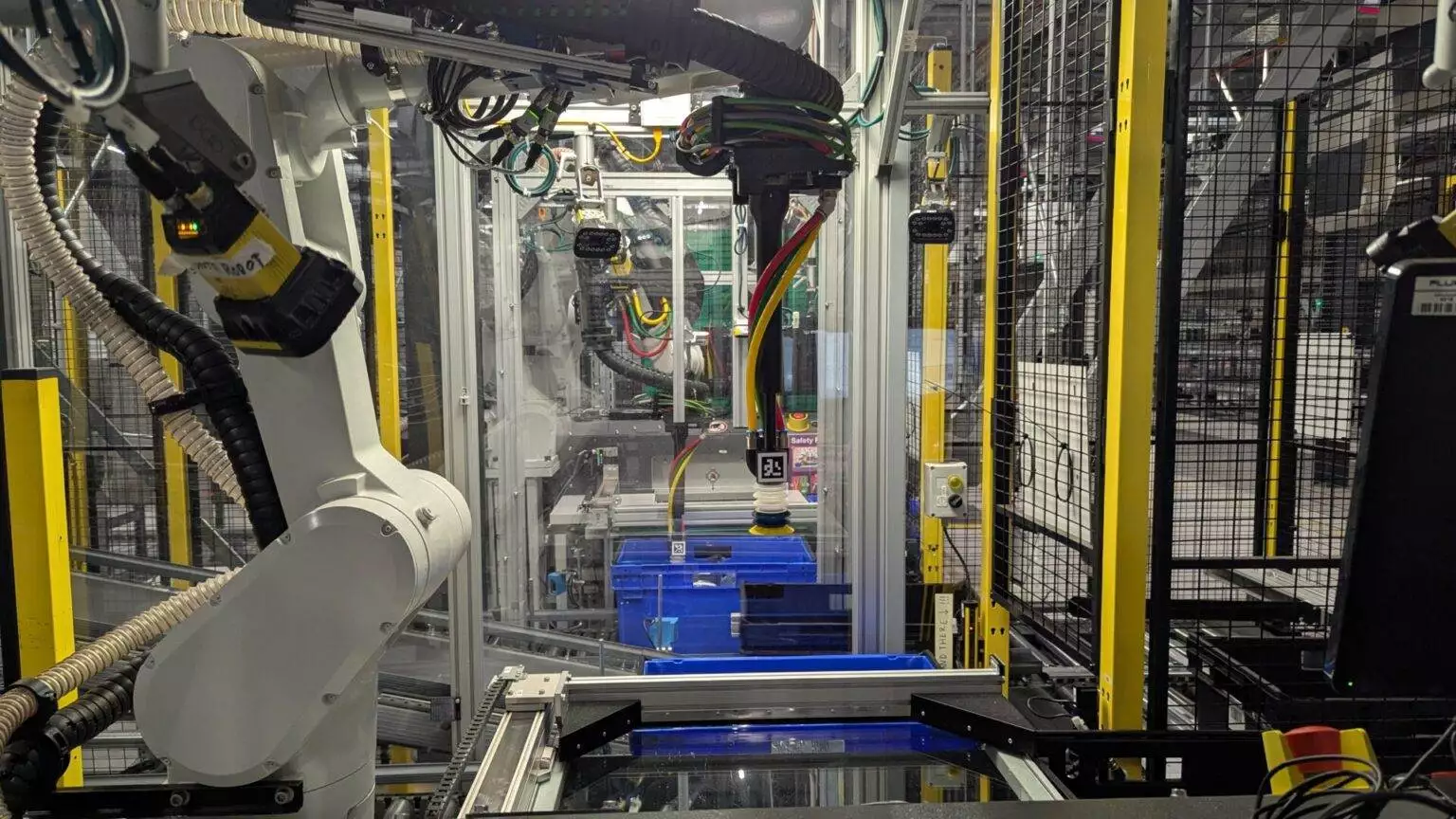
Warehouse fulfillment demands extreme performance: continuous operation, near-perfect accuracy and hundreds of picks per hour. That level of output requires what could be called “superhuman embodiments,” or Physical AI systems purpose-built for the job.
Humanoids offer flexibility and may be well suited for some brownfield projects. But that flexibility comes at a cost: lower throughput, higher complexity and reduced efficiency at scale. In greenfield environments, purpose-built systems win. They are faster, more reliable and more scalable.
General-purpose robots may be versatile. Specialized autonomy delivers results.
Vision, Learning, Action – And Adaptation
At the core of Nomagic’s approach is a unified Physical AI framework built on Vision, Language and Action (VLA). Traditional machine learning systems excel at handling the “happy path” of warehouse operations: identifying items, selecting grasp points and optimizing placement with extreme speed and efficiency. These highly specialized models are critical for achieving the throughput and operational KPIs required in modern fulfillment environments.
But warehouses are not defined by predictable scenarios alone. Edge cases happen constantly: items shift unexpectedly, packaging deforms, barcodes disappear and objects become partially obstructed. This is where Nomagic’s real-world production data becomes a major advantage. By training on millions of interactions gathered from live warehouse operations, Nomagic has built VLA models capable of recognizing anomalies, reasoning through unexpected situations and adapting in real time.
The result is a hybrid architecture that combines optimized ML systems for high-speed execution with adaptive VLA intelligence for exception handling. Rather than relying entirely on generalized models, Nomagic uses specialized autonomy for the vast majority of repetitive workflows, while invoking VLA-driven reasoning only when unusual situations occur.
This dual approach enables something that has historically been difficult in robotics: achieving both very high throughput and very high reliability at scale.
All of this is happening as the logistics industry faces a fundamental shift. E-commerce continues to grow rapidly, while warehouses struggle with a structural labor shortage. There simply aren’t enough workers to sustain the current model at scale. This isn’t temporary – it’s systemic. And for many operations, it represents a potential inflection point.
Humans were never designed for warehouse work. Repetitive tasks, heavy lifting and constant speed push human limits. Robots are purpose-built for this environment. And when powered by real-world intelligence, they don’t just match human performance, they exceed it.